UK Moves to Ban Unlicensed Gambling Sponsorships in Football as Black Market Threats Escalate
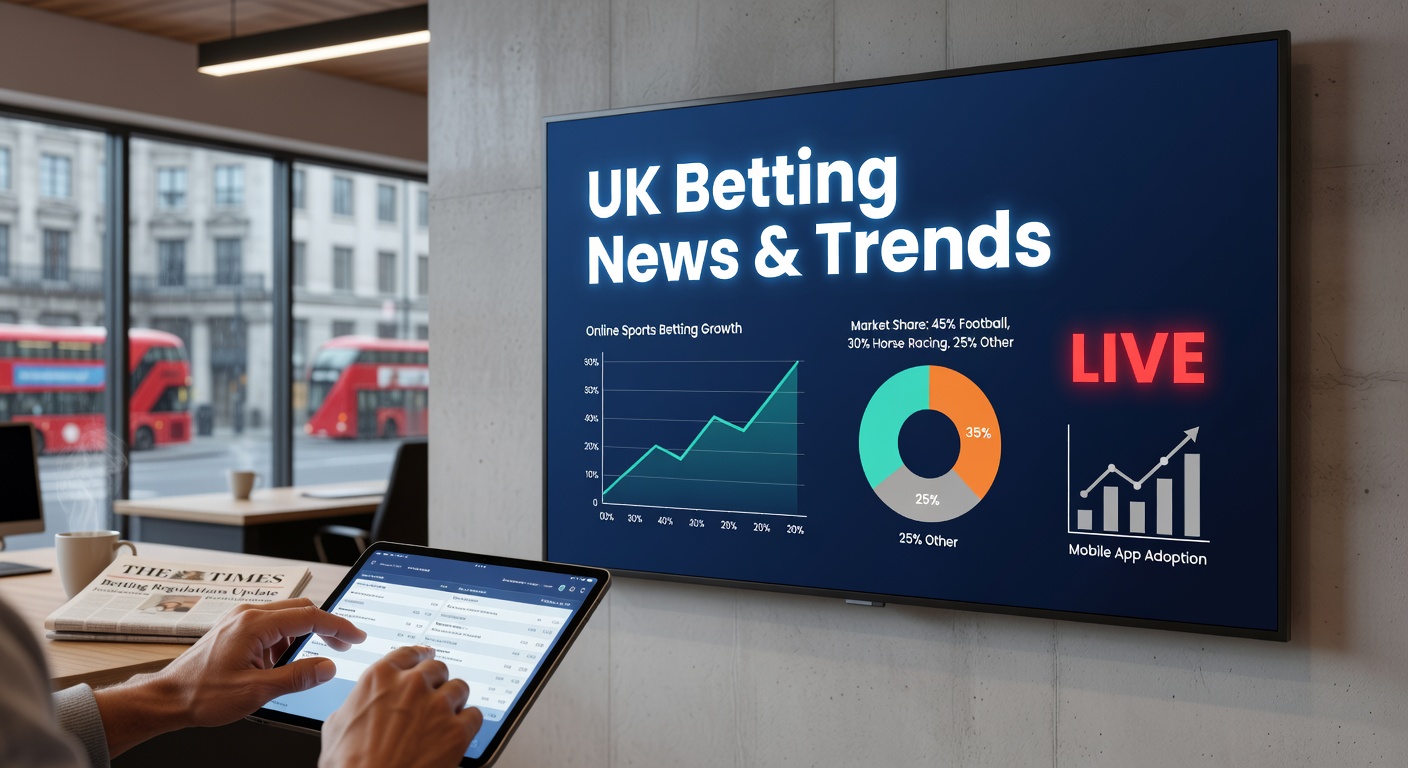
The UK government dropped a significant update on 23 February 2026, launching a public consultation through the Department for Culture, Media and Sport (DCMS) to potentially outlaw unlicensed gambling sponsorships in football; this step targets rising black market dangers like organised crime, fraud, and identity theft that have infiltrated the sport's commercial landscape, prompting regulators to draw a firm line between compliant operators and shadowy unlicensed players.
Football stadiums across the Premier League and lower tiers have long featured prominent sponsorship deals from gambling firms, yet not all carry the proper UK Gambling Commission licence; observers point out how these unregulated banners expose fans to risky operators who skirt consumer protections, funnelling bettors toward offshore sites rife with scams and data breaches.
Roots of the Consultation: Black Market Shadows Over the Pitch
Black market gambling operators have exploited football's massive visibility to lure UK punters with aggressive promotions, often evading taxes and safeguards; data from industry watchers reveals how these unlicensed entities drive fraud spikes, organised crime infiltration, and identity theft cases tied to fake accounts and stolen personal details, making stadium shirts and pitch-side ads unwitting gateways to peril.
The DCMS statement underscores this urgency, noting that unlicensed sponsorships undermine safer gambling efforts while bolstering criminal networks; government officials emphasise consumer protection as the core driver, aiming to shield fans from operators who vanish after bets go south or worse, harvest data for illicit sales.
Take past Premier League seasons where unregulated brands splashed logos across kits and training grounds; those deals drew scrutiny because they bypassed Gambling Commission oversight, leaving bettors vulnerable to manipulated odds, unpaid winnings, and phishing traps disguised as bonus offers.
Consultation Scope: Zero Tolerance for Unlicensed Logos?
At its heart, the consultation probes a outright ban on sponsorships from firms lacking a UK Gambling Commission licence, focusing squarely on football from grassroots to elite levels; respondents can weigh in on how such a prohibition might reshape stadium advertising, club revenues, and fan-facing promotions that currently blur lines between legal and illicit betting.
Regulators seek views on enforcement mechanisms too, like mandatory licence checks for all sponsors and penalties for clubs partnering with offshore outfits; this comes amid broader safer gambling reforms, where evidence shows unlicensed sites siphon billions from regulated markets, eroding trust in the industry as a whole.
What's interesting here is the precision: the ban targets sponsorships directly tied to unlicensed brands, potentially sparing indirect arrangements if they route through compliant channels; yet DCMS signals close examination of loopholes, ensuring no backdoor access lets black market players onto the pitch.
White Label Partnerships: A Potential Safe Harbour or Next Target?
Legal experts highlight white label partnerships as a grey area worth watching, where licensed UK operators handle customer-facing elements like websites and compliance for unlicensed overseas brands; these setups often keep the front end above board, managing UK punters through Gambling Commission-vetted processes while the backend brand stays offshore.
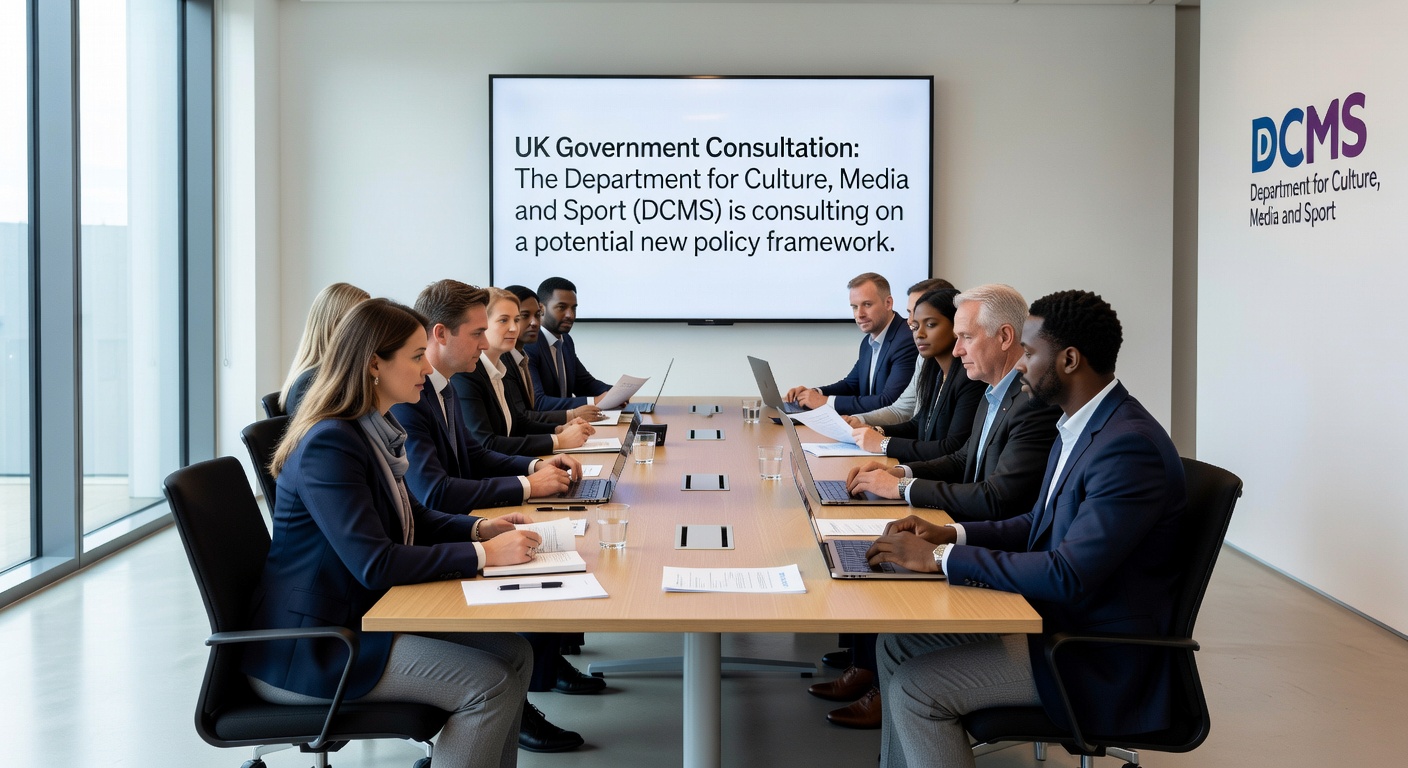
According to specialists in gambling law, such arrangements might dodge the ban if the consultation prioritises consumer safeguards over the sponsor's ultimate ownership; the licensed operator acts as a buffer, enforcing age verification, deposit limits, and dispute resolution that unlicensed sites ignore, thus aligning with DCMS goals.
But here's the thing: DCMS isn't taking chances, scrutinising these white label deals to confirm they don't merely launder unlicensed branding; if a partnership lacks a direct Gambling Commission licence for the visible sponsor, regulators could clamp down, forcing a clean break from any offshore ties.
Industry reports from sources like iGaming Business note how these models proliferated after earlier crackdowns, allowing clubs to retain lucrative deals without full exposure; one case involved a mid-table Premier League side using a white label front for an Asian-focused brand, keeping revenues flowing while claims of compliance held up under review.
Industry Reactions: Licensed Operators Cheer, Clubs Brace
Licensed gambling operators have voiced strong support for the proposed ban, citing years of frustration with unregulated rivals undercutting prices and flouting rules; trade bodies argue that level playing fields boost investment in UK-compliant tech like AI-driven safer gambling tools, which black market players can't match.
Football clubs present a mixed picture though; while Premier League heavyweights boast diverse revenue streams from global broadcasters and kit makers, smaller Championship and League One sides rely heavily on gambling sponsors for 10-20% of commercial income, per financial disclosures; a sudden purge could squeeze budgets, prompting urgent diversification hunts.
Experts who've tracked sponsorship trends observe how licensed deals already dominate top flights, with firms like Bet365 and Sky Bet leading the pack; those operators welcome the move because it curbs "cheaters" who've grabbed shirt deals by offering inflated sums without the regulatory baggage.
Timeline: 18 Months Minimum Before Kick-Off
Implementation won't happen overnight; DCMS projects at least 18 months from consultation close to enforce any ban, factoring in response analysis, legislation drafting, and transition periods for existing deals; as of March 2026, the process gathers steam with stakeholders submitting feedback, setting the stage for policy tweaks based on evidence.
Clubs with current unlicensed sponsors face contract wind-downs, potentially renegotiating mid-season if rules land sooner; regulators plan grace periods to avoid chaos, but the writing's on the wall for non-compliant logos come 2028.
This drawn-out rollout gives licensed operators the edge too, positioning them to snap up freed-up sponsorship slots while black market threats recede; one study of prior reforms found similar delays cut problem gambling referrals by 15% in sponsored sports, hinting at positive ripple effects.
Broader Implications for Football and Betting
Beyond bans, the consultation signals a tougher stance on gambling's role in sport, aligning with Gambling Act reviews that cap stakes and ads; football authorities like the EFL have nodded approval, citing fan surveys where 62% back stricter sponsor vetting to protect younger supporters.
And while white labels hang in balance, their fate could redefine partnerships; operators pushing fully licensed models stand to gain, as clubs seek reliable revenue without regulatory headaches.
Turns out, this isn't just about logos on jerseys; it's a calculated push to starve black market operators of prime advertising real estate, fortifying the UK's regulated ecosystem against fraud and crime that thrive in the shadows.
Conclusion
The DCMS consultation marks a pivotal moment for UK football sponsorships, zeroing in on unlicensed gambling deals amid black market alarms; with legal eyes on white labels and licensed firms applauding the shift, change looms 18 months out, promising cleaner pitches and safer betting paths for fans nationwide.
As responses roll in through March 2026 and beyond, stakeholders watch closely; the outcome could reshape how gambling and the beautiful game intersect, prioritising protection over unchecked promotion in a landscape where threats lurk just offside.