Northern Ireland Roundtable Spotlights Gambling Harm Gaps: Calls for Levy and Hubs Echo UK Reforms
Northern Ireland Roundtable Spotlights Gambling Harm Gaps: Calls for Levy and Hubs Echo UK Reforms

The Roundtable That Shook Up Stormont
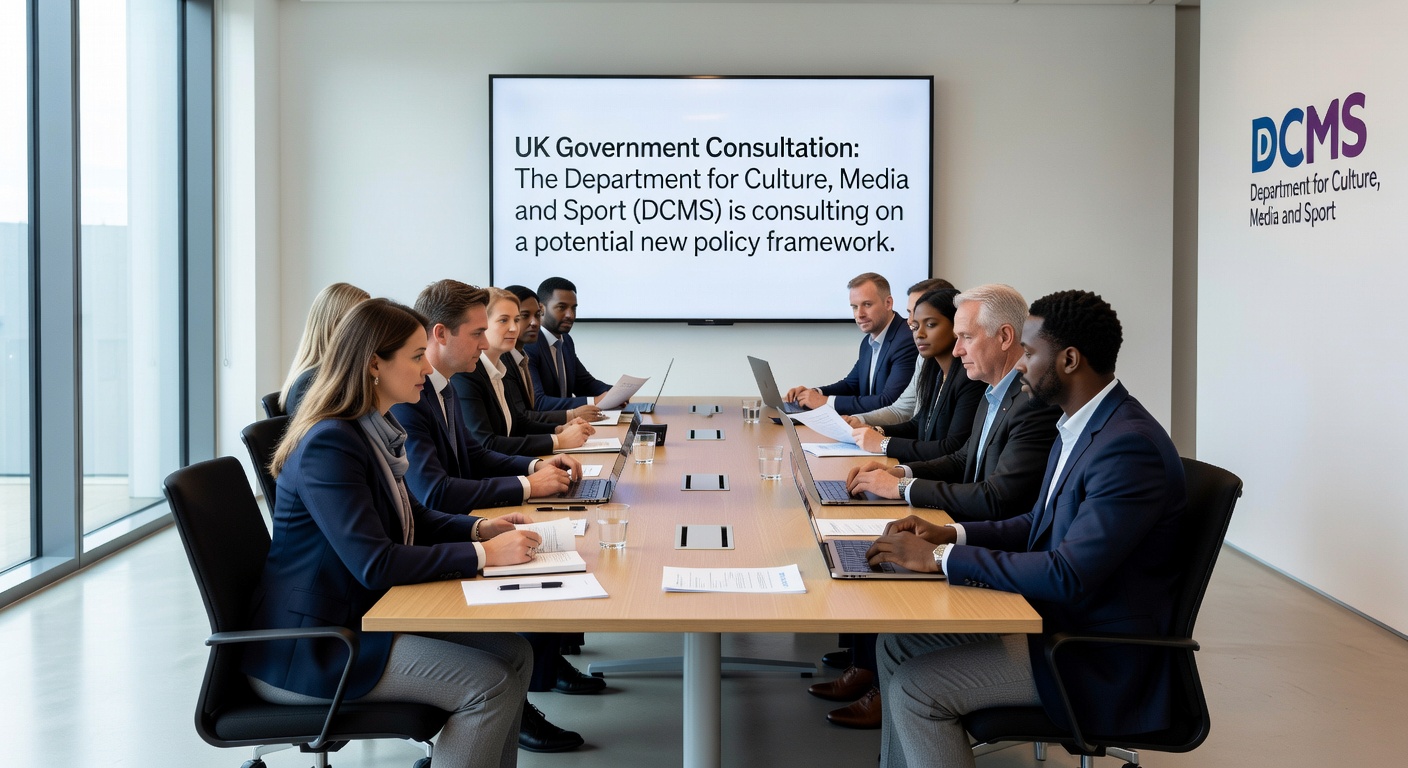
Politicians, healthcare experts, and Stormont officials came together in March 2026 for a pivotal roundtable on gambling harm in Northern Ireland; chaired by Philip McGuigan MLA, who leads the All Party Group on Reducing Harm Related to Gambling, the event zeroed in on glaring deficiencies in the region's support systems, especially the absence of dedicated treatment centers while England boasts 15 such hubs already operational.
Participants didn't hold back, urging swift policy shifts that mirror broader UK changes; they pushed for a statutory levy on gambling operators, modeled after Britain's £120 million framework, and emphasized treating gambling harm as a public health priority rather than an afterthought.
What's interesting is how this gathering highlighted the disconnect: Northern Ireland's regulations lag behind, still excluding online operators from key oversight, which leaves an estimated 3% of adults at risk without adequate safeguards, according to data from the Prevalence of Gambling in Northern Ireland 2024 survey.
And yet, amid these calls, observers note the momentum building; McGuigan and his counterparts stressed that without immediate action, vulnerable populations—those grappling with addiction fueled by unchecked online betting—face prolonged neglect.
Unpacking the Critical Gaps in Support
The roundtable laid bare several stark realities; Northern Ireland lacks any specialized gambling treatment hubs, a void that stands in sharp contrast to England's network of 15 facilities rolled out as part of sweeping UK reforms, which prioritize accessible, evidence-based care for those affected.
Healthcare experts at the event pointed out how this shortfall hits hardest: patients often navigate general mental health services ill-equipped for gambling-specific issues, leading to fragmented care and higher relapse rates; one specialist shared data showing wait times stretching months, while England's hubs offer rapid interventions backed by multidisciplinary teams.
But here's the thing—regulations in Northern Ireland remain rooted in outdated frameworks from over a decade ago, predating the online betting boom; this means operators evade contributions to harm reduction funds, unlike their counterparts across the Irish Sea who now fund initiatives through mandated levies.
Stormont officials nodded along, acknowledging that the current voluntary system falls short; figures reveal gambling participation hovers around 68% among adults, with problem gambling rates ticking up, yet funding for support services trickles in sporadically from operator donations rather than a steady revenue stream.
Take the case of one healthcare provider who testified: their clinic handles overflow cases from gambling addiction, but without dedicated spaces or staff trained in behavioral therapies tailored to betting disorders, outcomes suffer—relapse becomes the norm rather than the exception.
Urgent Calls for a Statutory Levy and Public Health Shift
McGuigan, front and center as chair, drove home the need for a statutory levy akin to Britain's £120 million model; this mechanism, they argued, would channel operator profits directly into treatment, education, and prevention—ensuring sustainability where voluntary pledges have faltered.
Experts echoed this, citing how England's levy has already bankrolled those 15 hubs plus nationwide campaigns; in Northern Ireland, though, the ball's in Stormont's court, with officials committing to review but no firm timeline yet announced.
Turns out the roundtable's momentum ties into larger UK shifts: as the Gambling Act white paper takes effect elsewhere, Northern Ireland risks isolation without alignment; participants warned that diverging policies could drive cross-border betting to unregulated spaces, exacerbating harms.
Public health framing emerged as another key demand; those gathered likened gambling addiction to smoking or obesity epidemics, where government-led strategies—complete with ring-fenced budgets—yielded results; data indicates 3% of Northern Ireland adults show at-risk behaviors, a figure likely underestimated since online gambling escapes current nets.
One researcher present crunched the numbers: if a levy mirrored Britain's scale adjusted for local markets, it could generate millions annually for hubs, helplines, and school programs—addressing root causes before they spiral.
- No specialized treatment centers exist locally, unlike England's 15 hubs.
- Outdated regs ignore online operators, skewing risk assessments.
- Voluntary funding proves unreliable; statutory levy offers stability.
- 3% adult risk rate demands public health urgency.
Broader Context and Comparisons Across the UK
While Northern Ireland grapples with these gaps, the rest of the UK pushes forward; England's hubs, funded partly by the levy, provide residential care, counseling, and peer support—services that have cut waitlists and boosted recovery rates, per initial evaluations.
Scotland and Wales follow suit with their own adaptations, but Northern Ireland's devolved powers mean Stormont must act independently; the roundtable underscored this, with McGuigan noting how alignment could unlock shared resources, like training programs or data-sharing on problem gamblers.
It's noteworthy that the event drew cross-party support; unionists, nationalists, and others united behind the levy push, signaling rare consensus in a divided assembly—perhaps the writing's on the wall for reform.
Yet challenges loom: operators lobby against levies, claiming they stifle growth, but experts counter with evidence from Britain where revenues held steady post-implementation; Northern Ireland's smaller market amplifies the need for targeted funds, especially as online betting surges among youth.
People who've studied this landscape observe a pattern: regions slow to adapt see harm metrics climb—hospital admissions for gambling-related mental health issues rose 20% in recent years here, mirroring pre-reform England.
Next Steps and Stakeholder Reactions
Post-roundtable, McGuigan announced plans to table motions for levy legislation; Stormont's health and justice committees now hold the reins, with briefings scheduled through summer 2026—timing that coincides with UK-wide Gambling Commission updates.
Healthcare bodies praised the event's candor, pledging data-driven advocacy; one group released a position paper echoing the 3% risk stat, urging integration into the next Programme for Government.
Operators stayed silent publicly, but sources suggest private talks with officials; the reality is, voluntary contributions totaled under £1 million last year—peanuts compared to levy potential.
And so the push continues; community groups, long underserved, rally behind the calls, sharing stories of families shattered by addiction—reminders that policy delays carry human costs.
Conclusion
The March 2026 roundtable at Stormont marks a turning point for Northern Ireland's gambling harm efforts; with politicians like Philip McGuigan, healthcare experts, and officials aligning on levies, hubs, and public health priorities, the path forward crystallizes amid UK reforms.
Data underscores the stakes—3% at risk, no specialized centers—while England's model offers a blueprint; as SBC News reported, immediate action could bridge gaps before harms deepen.
Observers watch closely: will Stormont deliver, or let outdated regs linger? The consensus from that table suggests change is coming, steady and funded, to protect those caught in gambling's grip.