2026 FIFA World Cup Projected to Set New Global Benchmarks for Betting Volume
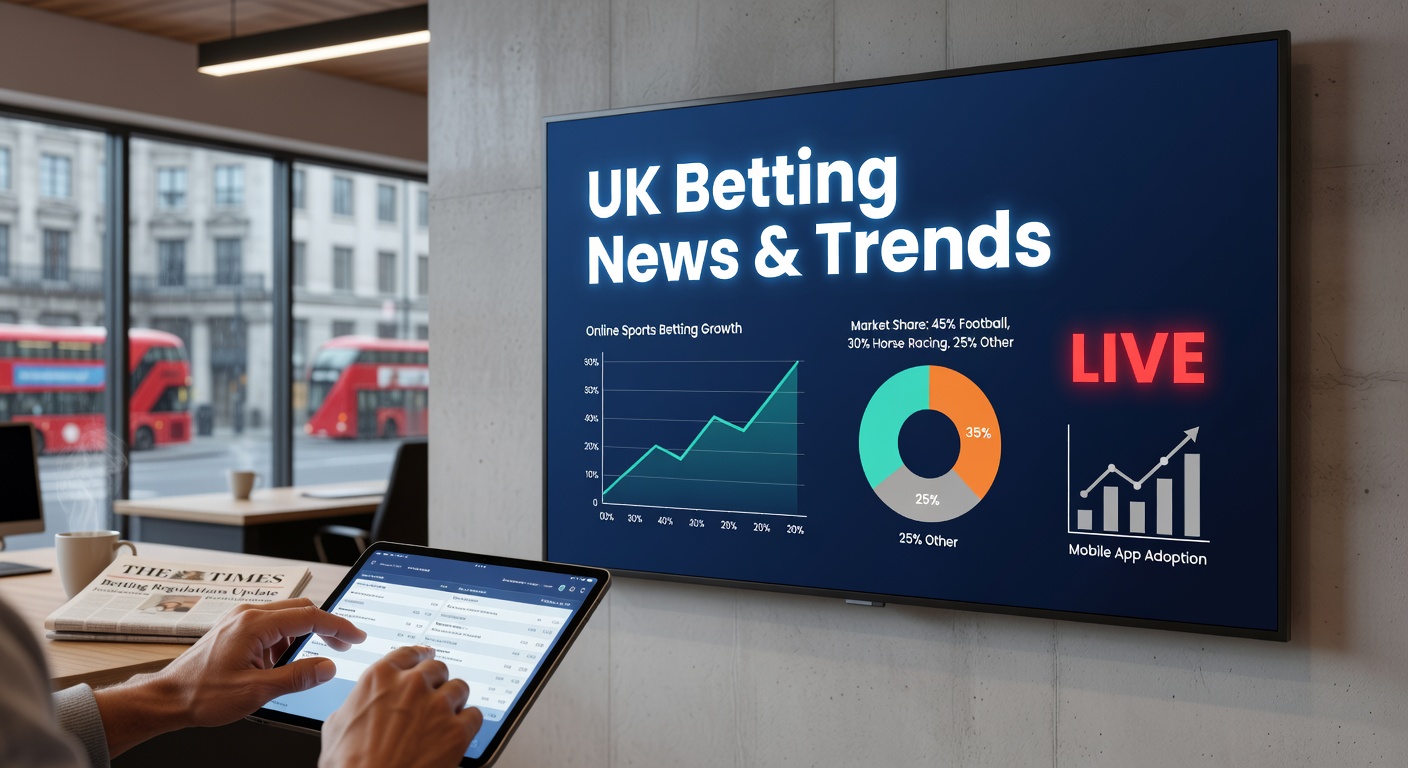
Projections indicate the 2026 FIFA World Cup will surpass previous events as the single largest betting occasion worldwide, with substantial participation expected from UK punters drawn to the expanded tournament format across multiple host nations. Data from industry analyses show that the combination of 48 teams, 104 matches, and extended scheduling creates unprecedented opportunities for wagering activity throughout June and July 2026. Those monitoring market trends note that interest among UK bettors aligns with historical patterns observed during prior World Cup cycles, where participation rates climbed significantly during the group stages and knockout rounds.
UK Punter Engagement and Market Scale
Figures compiled ahead of the event reveal that UK-based operators anticipate elevated traffic volumes, driven by football's established popularity within domestic betting preferences. The tournament's structure, featuring matches spread across Canada, Mexico, and the United States, extends the betting window and introduces varied time zones that encourage round-the-clock engagement. Observers tracking consumer behavior report that punters often combine match outcomes with accumulator bets, a practice that has grown in volume during similar high-profile competitions. This sustained activity period distinguishes the 2026 edition from shorter-format events, potentially elevating total stakes placed through regulated channels.
Warnings on Cross-Promotion Risks
Gambling awareness organizations have issued statements highlighting the potential for bettors to encounter cross-promotions directing them toward casino-style products during the World Cup period. These groups point out that integrated marketing strategies employed by some platforms may bundle sports betting offers with slots, table games, or other high-intensity formats. Evidence gathered from previous major tournaments suggests such promotions can increase exposure to content associated with faster play cycles and different risk profiles. The organizations emphasize that participants should remain aware of these transitions, particularly when navigating operator websites or applications that host multiple verticals under one account.
Regulatory Protections Highlighted by Industry Body
The UK Betting and Gaming Council has responded by underscoring the safeguards embedded within the licensed market, including mandatory age verification, spending limits, and self-exclusion tools designed to limit harm. Council representatives note that these measures operate uniformly across regulated operators and serve to distinguish licensed platforms from unlicensed alternatives that lack equivalent oversight. Data shared by the organization indicates that consumer protections in the UK framework have contributed to reduced migration toward offshore sites during peak events. The council further states that ongoing enforcement actions target illegal operators attempting to capture market share through unregulated channels.
Market Dynamics and Operator Preparedness
Operators licensed in the UK have reported preparations for the anticipated surge, including enhanced server capacity and updated responsible gambling messaging timed to coincide with tournament matches. These steps align with requirements set by the UK Gambling Commission, which mandates clear separation between promotional content and support resources. Historical data from the 2022 World Cup period demonstrates that regulated platforms maintained compliance rates above 95 percent when measured against advertising standards during high-traffic windows. The 2026 event's extended duration introduces additional variables, such as overlapping fixtures that may concentrate betting activity within shorter intervals, requiring operators to monitor real-time patterns closely.
International Context adn UK Position
While global betting volumes are projected to reach new highs, the UK market operates under a distinct regulatory regime that differs from frameworks in other jurisdictions. This distinction becomes relevant as cross-border promotions increase during the tournament, with awareness groups advising UK punters to verify operator licensing status before placing wagers. Reports indicate that illegal operators often target football audiences through social media channels and targeted advertisements, positioning themselves as alternatives during periods of elevated interest. The Betting and Gaming Council continues to promote the advantages of the domestic market, citing transparent taxation, dispute resolution mechanisms, and contribution to research funding as factors that support long-term sector stability.
Conclusion
The convergence of expanded tournament scale, established UK punter interest, and concurrent regulatory messaging sets the stage for the 2026 FIFA World Cup to test both market capacity and consumer protection systems. Information released ahead of the event underscores the dual focus on volume growth and harm mitigation efforts already underway within licensed operations. As the tournament approaches, monitoring bodies and industry representatives maintain ongoing communication regarding compliance expectations and participant resources.